
Kratom’s Legal Status in Egypt – A Quick Guide

Egypt is one of those countries that lives in relative unawareness of what kratom even is. As of writing, there isn’t really an established kratom market presence in the country, and most locals probably have never even heard of it. This lack of kratom awareness has a big impact on Egypt laws concerning the herb, and while it isn’t exactly illegal, there are some things you should keep in mind if you’re planning a trip to Egypt and considering bringing your kratom with you.
Is Kratom Legal in Egypt?
Kratom isn’t illegal in Egypt, but that’s different from saying that it’s legal. As of writing, the Egyptian Drug Authority (EDA) has not outrightly named kratom or any of its parts or derivatives as a controlled or scheduled substance. So no, kratom isn’t an illegal product by that specific definition.
The issue is that while it isn’t outlawed, it’s also not exactly legalized. Egypt’s National Food Safety Authority alongside the EDA decides which products get the green light for human use or consumption, and that includes herbal products and supplements.
For that to happen, a product must undergo laboratory testing, good manufacturing practices verification, and pre-market registration with the appropriate authority. Currently, kratom products have not satisfied these requirements, and are thus technically not allowed on the Egyptian market.
That said, kratom isn’t considered a controlled or illicit substance or a scheduled narcotic within the jurisdiction of Egypt, but it’s also not approved by the NFSA as a food product or herbal supplement.
Keep in mind, though, that these provisions cover products that are intended for sale in Egypt. If you’re just bringing a small kratom stash into the country for personal use while you’re there, it’s a different story.
 Can You Travel with Kratom to Egypt?
The Egyptian Ministry of Health understands that travelers might carry personal supplements or herbal products with them that are approved in their country of origin, but aren’t recognized in Egypt. They make room for this possibility with the publication of the Personal Medication Guidelines that help provide some leg room for visitors that have a need for supplements that might not have been assessed or approved by the NFSA within Egypt.
If you’re carrying a personal supplement with you, see to it that the product is:
- Contained in its original sealed packaging, with complete labels.
- In a standard pharmaceutical form, like tablets, capsules, or gummies, and ideally not in the form of loose powder.
- Sufficient for personal use only capped at the exact duration of your trip, with a maximum limit of a 3-month supply.
If your product is in its loose powder form, if the labels are missing, if the package is unsealed and opened, or if you exceed the deemed amount fit for personal use for the duration of your stay, customs officers can seize your product and confiscate or destroy it.
One important caveat – the personal medication guidelines generally apply to medications or supplements that are prescribed by your physician, which means that customs authorities might look for a prescription on a case-to-case basis. The guidelines also state that they explicitly prohibit products that claim to provide unverified therapeutic, weight-loss, mood-altering, or stimulant effects.
That said, there is still the possibility of your kratom stash getting flagged as you pass through customs even if you satisfy the three requirements listed above. If you packed just enough for your stay and customs authorities have no reason to believe that you’re trying to smuggle kratom into the country, the worst you might get is confiscation.
According to accounts from anonymous users online, however, airport security versus kratom isn’t as strict as online resources make it out to be. Numerous users carrying kratom into the country claim to have passed through Egyptian customs without as much as a second glance.
Even then, it’s best to make sure you come prepared with all of the paperwork so you can defend your case with just the facts in case you get pulled to the side. Bring a fresh, sealed pack of capsules, tablets, or gummies, and have your receipts and lab reports ready in case you’re questioned.
If the authorities decide to confiscate your product, it’s best to simply accept their decision and surrender the kratom so as not to escalate the situation.
 Kratom Substitutes in Egypt
If you decide to leave your stash at home, or in the unlikely event that your kratom is confiscated by customs, don’t sweat it – there are a handful of kratom substitutes you can try once you step into Egypt. Some well-known alternatives include:
- Blue Lotus – Also called the Egyptian water lily, this aquatic plant is native to the region and has a long history in the country’s native, folk medicine traditions for its soothing, calming, and relaxing properties. You can buy blue lotus in the form of resins, vape cartridges, capsules, or as dried tea locally throughout Egypt.
- Kanna – Another widely available herbal supplement, kanna is native to South Africa and is sold as a concentrated extract, powder, or capsules. Most kanna can be purchased online in Egypt through various retailers and marketplaces. At its peak, kanna is said to enhance mood and clarify the mental faculties.
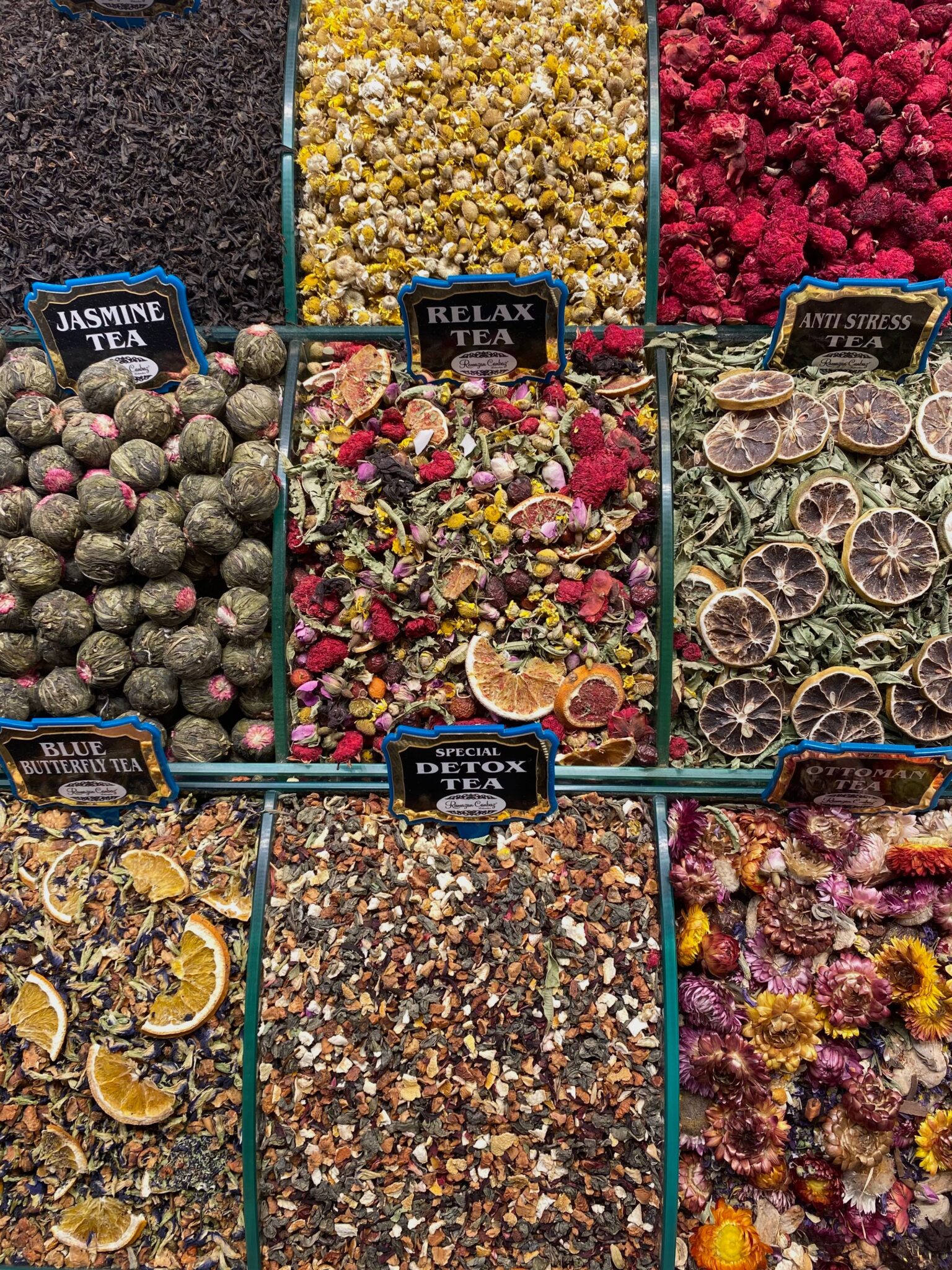
- Herbal infusions – Egypt is abundant in local cafes (called ahwas) and herbal shops (called attars) where you can find a sundry of herbal tea infusions for every discomfort you can imagine. From anise for digestive distress, to mint for mental clarity, and ginger for relaxation and physical tension relief, Egyptian cafes and herbal shops have something for you.
Should You Bring Your Kratom Along to Egypt?
It all depends on you. While kratom isn’t illegal in Egypt, some legal roadblocks raise the risk of triggering a few red flags as you pass through customs with your kratom stash in tow. The good news, however, is that the penalties will often involve confiscation and a possible fine, but nothing too heavy as to derail your trip.
Make sure to pack just enough for your visit, keep all of your documentation in handy, and surrender your stash if customs decide that they can’t take the risk. At the end of the day, Egypt is rich with a variety of kratom substitutes that might make your trip all the more interesting, so you should be able to make it through just fine even without your stash in hand.