
Kratom vs Kava: Understanding the Differences

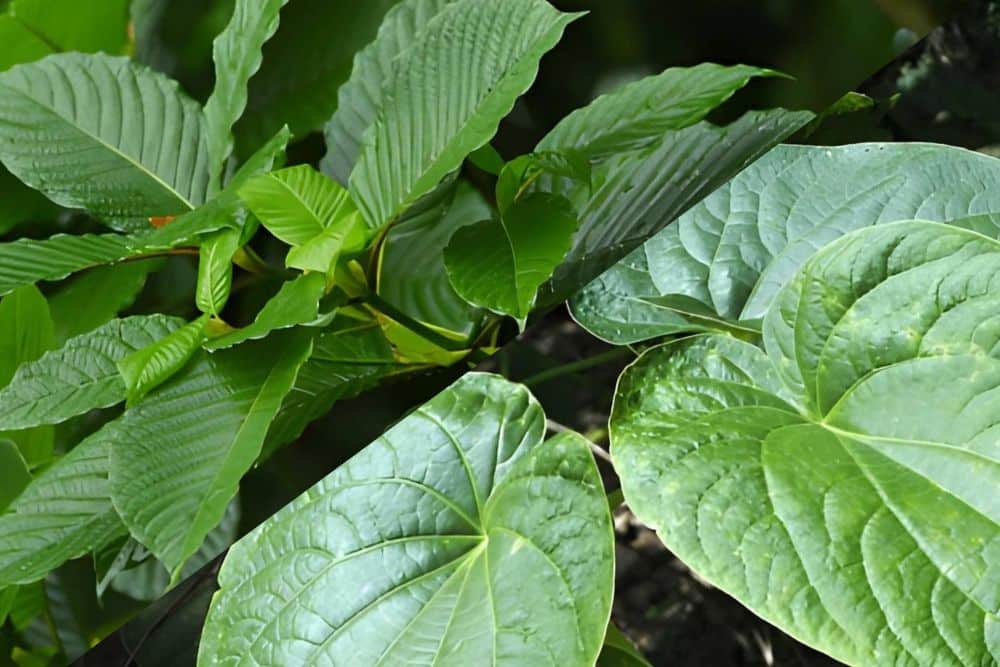
In recent years, two plant-derived products have gained attention around the world for their unique effects and long cultural histories: kratom and kava. Both come from tropical regions and have been used traditionally for generations, yet they offer very different experiences.
Because their names often appear together in conversations about natural wellness and plant-based remedies, many people assume they’re similar or even interchangeable. In reality, they differ in origin, cultural use, preparation, and ultimately, potential properties.
Origins and Cultural Background
Kratom and kava come from entirely different parts of the world.
Kratom (Mitragyna speciosa) originates from Southeast Asia, particularly in countries such as Thailand, Indonesia, and Malaysia. Documented history states that the leaves of the kratom tree have traditionally been used by rural workers, like farmers and fisherfolk, who chewed the leaves or brewed them into tea. In those communities, it was often used to help people stay productive during long days of physical work.
Kava (Piper methysticum) on the other hand, comes from the islands of the South Pacific, including Fiji, Tonga, and Vanuatu. Its use is closely tied to ceremonial and social traditions. For centuries, Pacific Island communities have prepared kava drinks during gatherings, rituals, and meetings. Sharing kava is often seen as a sign of hospitality and respect.
While both plants have long histories, their cultural roles are quite different: kratom was historically associated with daily labor, while kava was tied to community events and traditions.

What Part of the Plant is Used?
Another key difference is the part of the plant that people consume.
- Kratom products are made from the leaves of the tree. These leaves are typically dried and ground into powder. Vendors may also offer dried crushed leaves, or kratom powder in capsules.
- Kava products come from the root of the plant. The root is dried, ground, and mixed with water to create a drink. Today, kava is available on the market as capsules or tinctures, among other forms.
Because different parts of the plant are used, the preparation methods and textures may be quite different.
Preparation Methods
Preparation plays a major role in how each plant is used.
Kratom Preparation
Most kratom today is sold in powdered form. Common ways people use it include:
- Mixing the powder with water, juice, or food
- Brewing it into tea
- Taking capsules that contain the powder
The taste of kratom is often described as bitter and earthy. Many people mix it with flavored drinks to make it easier to consume. The toss-and-wash method is also a popular method of use, which entails simply taking a dose and washing it down with water for easy and efficient intake.
Kava Preparation
Traditional kava preparation is quite different. The powdered root is placed in water and kneaded or strained through a cloth. The resulting drink has a cloudy appearance and a mild, earthy flavor.
Traditional preparation often involves:
- Mixing ground root with water
- Straining the liquid
- Drinking it fresh in a social setting
In many Pacific cultures, kava is served in bowls and shared among a group. Today, kava supplements are widely available and are sold as tinctures, capsules, tablets, and powder.
General Potential Effects Reported by Users
People often compare kratom and kava because they can both potentially influence mood, but the experiences are generally very different.
Kratom
People commonly describe kratom as having potential effects that can vary depending on the variety and amount used. Some individuals report:
- A boost in energy
- Increased focus
- A sense of motivation
- A more relaxed mood in larger amounts
Kratom’s properties may also change depending on the color vein of the specific strain used. Generally, red vein strains are seen as more subdued and potentially relaxing, while white vein strains may be more stimulating.
Green vein varieties tend to sit between these two ends, providing buyers a more balanced experience. Because of this range, kratom may sometimes be used during the daytime by people looking for alertness or productivity, or in the evening to support the end-of-day wind down.
Kava
Kava is usually associated with relaxation and calm. People often describe its potential effects as:
- A sense of calm or ease
- Reduced stress after a long day
- A relaxed social atmosphere
Kava is traditionally used in the evening or during gatherings when people want to unwind. However modern-day kava products are advertised for their potential properties that help to support better sleep and manage stress and anxiety, although these statements have not been confirmed by the FDA.
Social vs. Individual Use
Another difference lies in how these plants are typically used.
Although kava has also been used for centuries as a medicinal ingredient, it’s most strongly tied to social and ceremonial events. In many Pacific Island traditions, drinking kava is a shared experience. People sit together, talk, and pass bowls of the drink around the group.
Kratom, by contrast, is more often used individually. Traditionally, its use has been mainly medicinal, with native groups leveraging its properties for folk medicine. Most modern users mix a drink or take capsules on their own rather than as part of a ceremony or gathering.
This difference reflects their cultural backgrounds: kava as a communal beverage, kratom as a personal tool for daily life.
Taste and Flavor Experience
These two plant products have immensely different flavor profiles that may significantly affect the user experience.
Kratom tends to have a strong, bitter flavor. Some people compare it to very strong herbal tea or unsweetened green powder drinks. For this reason, taking raw powder is often seen as an ‘acquired taste’ as the bitter, earthy flavor profile of kratom may be unappealing to some.
Kava has a milder flavor but a distinctive earthy taste. Many people also notice a slight numbing sensation in the mouth after drinking it, which is considered normal for traditional kava.
Because of these flavor differences, the two drinks feel quite distinct even before their potential properties take effect.
What Forms are Available Today?
Both kratom and kava have expanded beyond their traditional forms in recent years. This has been the industry’s method to make the products more palatable and convenient for buyers in the western market.
Kratom Products
Modern kratom products may include:
- Powder
- Capsules
- Extracts
- Ready-to-drink beverages
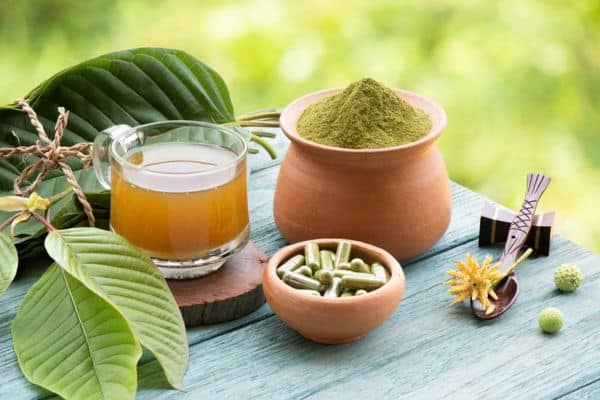
Different varieties are often labeled by color, such as red, green, or white, which refer to differences in the maturity of the leaves. Today, kratom powders are the most popular product choice as they’re typically free from additives and the most economical option for everyday use.
Kava Products
Kava is also available in several forms, including:
- Traditional root powder
- Instant kava powder
- Capsules and tablets
- Bottled kava drinks
However, many enthusiasts still prefer traditional preparation because it preserves the cultural experience and is also said to offer the greatest extent of potential effects.
Legal and Regulatory Differences
The legal status of kratom and kava varies around the world.
Kava is generally accepted in most countries and is widely sold in wellness shops and specialty beverage bars.
Kratom’s legal status is more complicated. Some countries, states, and cities have banned it, while others allow it with varying levels of regulation. Because of this, availability can differ depending on location.
Anyone interested in either plant should always check the regulations in their region. It’s also important to mention that both kava and kratom have not been approved by the FDA.
Both the American Kava Association and the American Kratom Association are working independently to lobby for kava and kratom regulation that will hopefully make their respective products more accessible to the general public.
These Associations aim to lift localized bans on their products and make the market safe for buyers by instituting protocols that oversee the manufacturing process, ensuring that vendors abide by specific standards to protect consumers.
Which One Should You Choose?
Preferences often depend on what you’re looking for. People who want potential relaxation and a calm experience often gravitate toward kava. People who want energy or focus earlier in the day sometimes prefer kratom, although it may also be used for nighttime applications, depending on the color vein used.
However, experiences can vary widely between individuals, and cultural context often plays a role in how each plant is appreciated.
Kava vs Kratom – Two Distinct Plant Products
Although kratom and kava are sometimes mentioned together, they are very different plants with unique histories and uses.
Understanding these differences may help clarify how and why each plant has developed its own loyal following. Rather than being interchangeable, kratom and kava represent two distinct traditional plant products that come from different cultures and serve different purposes.
As interest in plant-based products continues to grow globally, learning about their backgrounds and traditional uses can provide valuable perspective on which one might be the best for you.